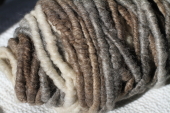
Corespun Natural Stripes
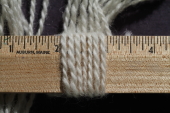
Corespun yarn in natural colors (white, brown, grey) spun to create 6-8 stripes per 2 pound bump. Fiber content: 50% mohair - 50% Shetland wool
Living with chickens, goats, sheep and wildlife on a small central NJ farm
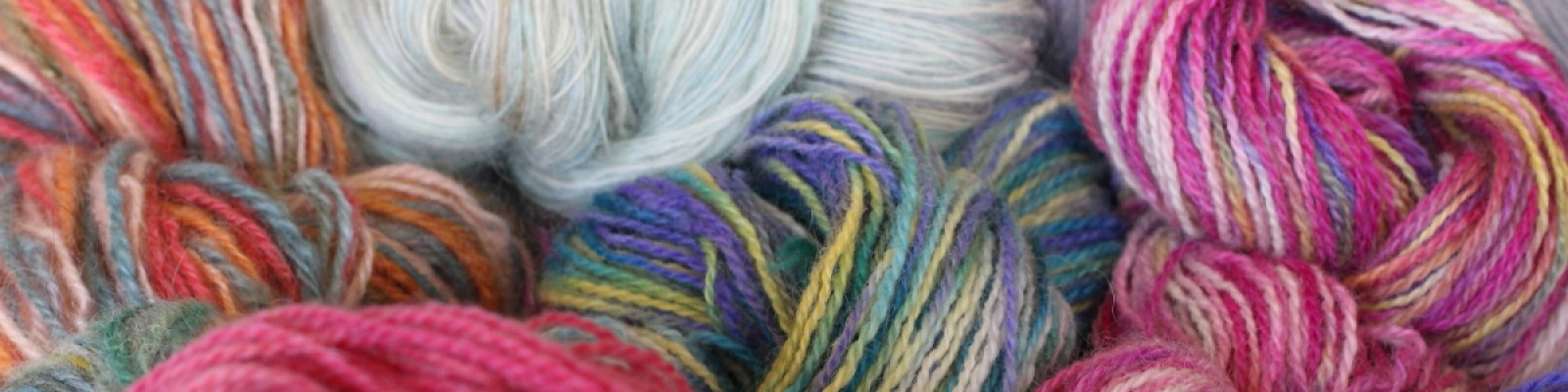
Since the late 1990's I've run a small NJ farm producing 100% USA made, one of a kind fiber products. All products made using my animal's fiber or combined with other small USA farmer's fiber. Hand made in Hunterdon County, NJ with machine processing at small USA mills.
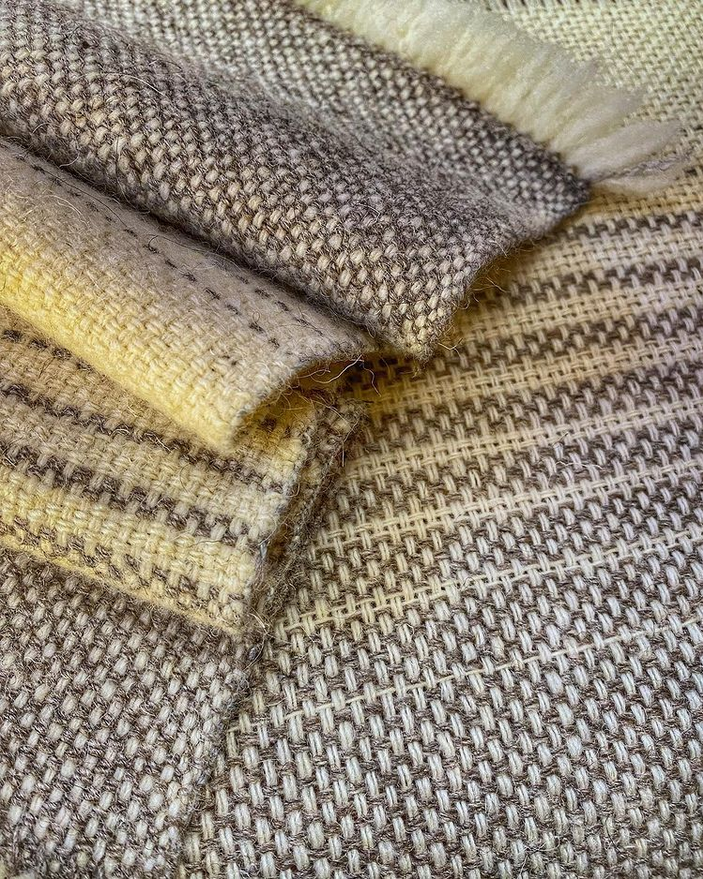
Not I….as an animal lover and long time sheep and goat owner I can say with confidence that fiber animals need to be shorn for their health and it does not have to be a frightening experience. They don’t like having their feet trimmed either but if left untrimmed they would go lame. Nature is far more cruel than a caring owner, and every second of life is not completely idyllic for any of us.
*****************************************************************************************
PETA, the animal rights organization, has a reputation for employing the oldest marketing trick in the book: selling their message with sex.
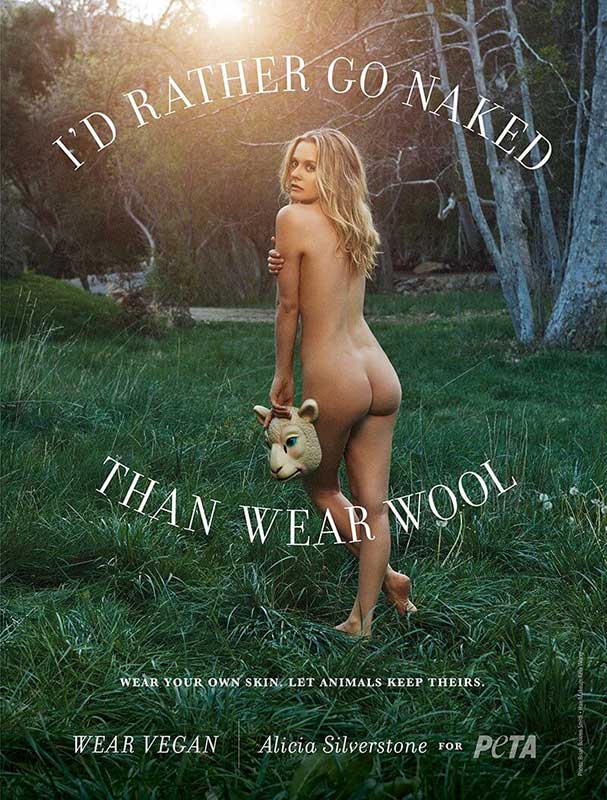
The latest example? Their campaign to raise awareness of animal abuse in the wool industry, which features a poster of Alicia Silverstone walking naked into a meadow, her head turned over her shoulder, looking back at you with seductive, pleading eyes. The caption reads, “I’d rather go naked than wear wool.”
Pamela Anderson, the singer Pink, and a handful of other celebrities have also bared all for the cause.
The PETA creed is that “animals are not ours to eat, wear, experiment on, use for entertainment, or abuse in any other way.” In other words, keeping livestock for purposes of human consumption, whether in a factory-farming setting or a small organic farm, is ethically reprehensible. PETA is well known for popularizing veganism and exposing animal rights abuses around the world. But livestock farmers, unsurprisingly, have long despised their shock and awe tactics, which have a tendency to paint all farmers as evil animal abusers.
PETA’s current sheep campaign—typically broadcast with the tagline, “there is no such thing as humane wool”—was launched in 2014 after the organization released footage of sheep being cut, manhandled, and mangled at wool-shearing operations in the US and Australia. The effort got major press coverage around the world, and led to the prosecution of several of the Australian shearers who were depicted in the footage on animal abuse charges. Now that Alicia Silverstone has put her skin in the game (pun intended), PETA’s wool campaign is back in the media once again.
Wool producers, along with a number of large agriculture organizations, have fought back. In Australia, the Victoria Farming Federation filed a formal complaint when a locally popular vegan musician was featured in PETA ads holding a bloodied lamb carcass with the caption, “here’s the rest of your wool coat.” It turned out the carcass was made of Styrofoam. PETA admitted to using a prop, but maintains that it was a realistic illustration of the horrors of shearing.
A skilled shearer needs just two minutes per sheep, and at worst, leaves a scrape or two no more gory than minor shaving cut. As far as viewing the sheep’s resistance to the practice as an indicator of cruelty, she suggests one might consider the challenges of bathing an uncooperative child or dog.
Animal abuse is far too common an occurrence with pets kept by demented individuals everywhere. And as PETA’s undercover sheep investigation clearly shows, along with many others that have preceded it, some abusive individuals (unfortunately) make their living handling livestock on farms throughout the world. The question is, is abuse the norm? Are examples of abuse at a few sheep ranches enough to indict an entire industry?
We thought it would be worth asking a wool producer who claims to raise their sheep in a sustainable, humane manner how their practices differ from what PETA ascribes to all wool producers. Becky Weed, owner of Thirteen Mile Lamb & Wool Company in southwestern Montana, was a little reluctant to take the call from Modern Farmer, as she’s been caught in the crosshairs of the animal cruelty debate before and has better things to do than argue with activists about whether or not raising sheep is inherently evil.
“I am wary of PETA,” says Weed, right off the bat. “I don’t think it’s a particularly rational organization…I think animal welfare is important, but I don’t believe that raising sheep is by definition cruel.”
Her harsh words stem from PETA’s unwillingness to acknowledge the many farmers who make humane animal care a top priority, throwing animal-loving ranchers like Weed under the bus as they expose the horrors of the industrial livestock industry.
Weed, who also operates an artisanal-scale solar-powered wool processing facility on her property, says she would like to think that PETA would see folks like her as an ally. Her farm is certified organic, she goes above and beyond the most stringent animal welfare standards, and her sheep have free range on pristine Montana prairie. With 160 acres for her 100 or so ewes, Weed’s sheep are stocked at an extremely low density that’s good for the animals and good for the land. She says PETA would have the support of a lot more farmers if they didn’t paint them all the same way.
“There are things that happen in industrial farming that are outrageously indefensible,” says Weed. “Like cramming poultry in tiny cages, putting cattle in feedlots where they are standing in their own manure up to their knees, and feeding ruminants a diet heavy in grains when they have evolved to live on grass. I’m the last person who will defend them. But practices like shearing sheep just pale by comparison. I wish they would focus their efforts where the really serious problems are.”
PETA is correct, says Weed, in noting that sheep often resist being shorn and must be restrained. It’s also true that minor cuts and nicks are part and parcel to shearing, though Weed says the savage shearing shown in the PETA videos, where some sheep appear to have massive wounds with loose, bloodied flaps of skins visible, are signs of either a demented, or untrained and extremely careless, shearer.
A skilled shearer, she says, needs just two minutes per sheep, and at worst, leaves a scrape or two no more gory than minor shaving cut. As far as viewing the sheep’s resistance to the practice as an indicator of cruelty, she suggests one might consider the challenges of bathing an uncooperative child or dog. They don’t love it, but it’s one of those necessary inconveniences.
Wild sheep naturally shed their thick winter coat in spring, but domesticated sheep have been bred over millennia to have an unnaturally thick coat, which, as we’ve reported before, never stops growing. Older sheep become accustomed to the routine and put up little or no resistance. Perhaps they realize it’s for the best: after several years without shearing, the wool becomes suffocatingly hot and can restrict the sheep’s movement.
Excess wool also predisposes sheep to infections and parasites, which is why the American Society of Animal Science responded to PETA’s sheep campaign with one of their own. The tagline read: “There is no such thing as humane wool when it is left on the sheep.”
Weed says “our sheep act super happy and animated after they get shorn…they seem happy to get rid of their wool. Occasionally there may be some cuts, but I’d wager I cut and bruise and bleed more often myself working on the ranch than my sheep do when they’re shorn. I think it’s one of the least cruel things that happens to animals in agriculture.”
We invited PETA to respond to Weed’s assertion that shearing, when done right, is benign. We also inquired whether they agreed that there is typically a big difference in the treatment of animals at industrial livestock operations versus small-scale producers. We sent them a series of questions to this effect to which they replied only with the following statement:
“Sheep are prey animals, so unless they’re left alone, they’re terrified. The size of the farm doesn’t matter. Even on small farms, they’re often herded with vehicles or dogs, forced into a shearing shed, and pinned down and sheared. Even the most careful shearer often cuts these struggling, panicked, and stressed animals. The only way to ensure that no sheep has suffered for our clothing is to shop vegan.”
Becky Weed would certainly contend that there are indeed humane sources of wool clothing available. She’s one of 44 humane wool producers in North America certified by Animal Welfare Approved. And there is a new wool-specific welfare certification on the humane livestock scene, which is called the Responsible Wool Standard. They just certified their first producers this year: two in Australia, one in Uruguay, and one in Oregon.
Pushed by major clothing brands, such as Patagonia, Eileen Fisher and H & M, RWS is geared for the large-scale producers that supply the vast majority of the world’s wool supply, and came about in part due to the negative publicity generated by the PETA exposé.
So even if the group’s point of view is a little, shall we say, un-nuanced, perhaps PETA is still giving a needed boost to the ethical livestock movement anyways by helping to convince the world’s largest livestock operations that consumers actually do expect them to provide the same level of care for their animals as is often found on the smallest of family farms.
Source: https://modernfarmer.com/2017/01/alicia-silverstone-naked-telling-wool-clothing-bad-believe/
A team led by the University of Edinburgh’s Roslin Institute used a genetic tool called TALEN to delete a section of chicken DNA.
They targeted part of a gene called DDX4, which is crucial for bird fertility.
Hens with the genetic modification were unable to produce eggs but were otherwise healthy, the team found. DDX4 plays an essential role in the generation of specialised cells – called primordial germ cells – which give rise to eggs.
Researchers say that primordial germ cells from other bird breeds could be implanted into eggs carrying the gene edited birds. The hens would then grow up to produce eggs containing all of the genetic information from the other breeds.
These chickens are a first step in saving and protecting rare poultry breeds from loss in order to preserve future biodiversity of our poultry from both economic and climate stresses.
The surrogate chickens are the first gene-edited birds to be produced in Europe. Scientists from the US biotechnology company Recombinetics also worked on the project.
The study is published in the journal Development and was funded by strategic investment from the Biotechnology and Biological Sciences Research Council.
Source: https://www.ed.ac.uk/news/2017/gene-edited-chickens-to-help-preserve-rare-breeds
This gallery contains 35 photos.
I’ve decided to do a project exploring fiber content and construction techniques for socks. At the rate I knit it could be a lifetime project!
For my first project ….
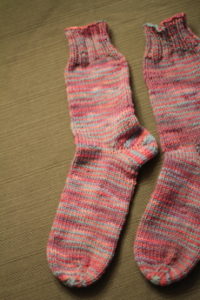
Used FLK (Fish Lip Kiss) pattern for sizing and heel. Since it’s my first time using this pattern I used plain knitting for the body of the sock. This is only the second pair of socks I’ve ever knitted. I want to work up to Magic Loop for both socks at one time but this pair was done on two circulars, and I did an inch on one sock then an inch on the other sock in order to avoid the dreaded SSS (single sock syndrome). It worked!
This variation used Wooly Yarn (nylon wool blend, see Halycon yarn for example) held doubled with my yarn in the heel, and the next one will use 100% mohair for the heel. The yarn used was Rambler’s Way Handpaint Rambouillet DK (100% American wool and spinning) which is spun with a high twist. Loved the yarn! It is super springy and knits soooo easily. I had to watch out for splitting the yarn (my knitting Achilles heel) and accidentally creating yarn overs when increasing.
I used Turkish Cast On (my 1st time – love it!) and kept each sock separate (on it’s own set of circulars). The Woolly Yarn used for the heels was hard to use as it kept sticking to my fingers and I split the yarn frequently – luckily I didn’t have to do any frogging!. It took about 40 hours of knitting for the pair.
They fit fairly well initially but stretched lengthwise while wearing. Due to the size of the yarn they don’t fit in regular shoes but are fine in boots or slippers. I was surprised to find I did not like the feel of the purl bumps on my feet so am wearing them inside out with the knit side facing in. So far they are holding up well.
Learnings:
High twist is needed for 100% wool yarn to wear well, particularly low micron wools such as merino, rambouillet, cormo, etc. I use 25-50% mohair in all my own yarn blends to ensure good wear performance. Size (weight) of yarn impacts which shoes the socks will fit into. Soft springy 100% yarn will stretch significantly so this needs to be taken into account for sizing.
Next….Same pattern, same wool, two at a time (TAAT), 100% mohair heels – thinking about a stitch pattern for foot and leg. See Sock Knitting Exploration Version 2.
Socks Version 1
Socks Version 2
Socks Version 3
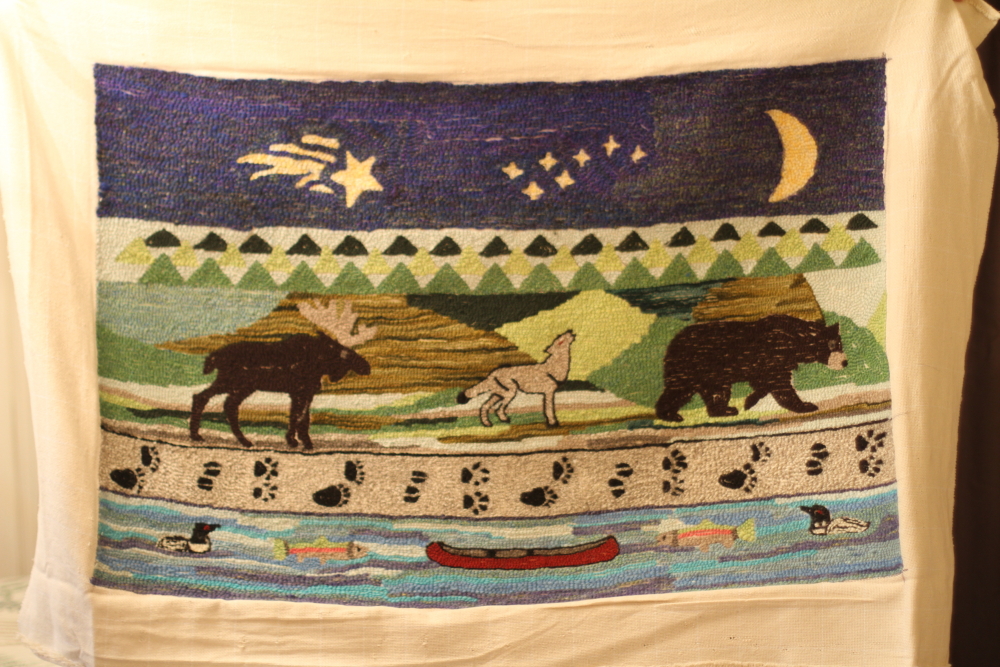
I was commissioned to hook a 2′ by 3′ rug for the Short Family in Maine as a Christmas gift. I used my homespun and millspun hand dyed yarns, all of which are wool/ mohair blends as much as possible but due to the short timeline for producing this rug I also used purchased yarns (details). Even so I had to spin an extra 2 skeins of Starry Nights yarn for the night sky…can’t imagine how long it would have taken to dye and spin all the yarn colors needed for this size rug! The backing is 100% cotton 13×13 epi Monk’s Cloth.
The design was created based on royalty free clipart and photos, then enlarged using Ronyasoft Poster Printer. The Short family lives on a lake (or pond as they are called in Maine) which has loons and they often have bear, coyote and moose visitors near the house. Additionally one of the family members worked at a state fishery for many years raising rainbow trout. The rug was designed as a unique reflection of the Short Family.
|
Back of Rug Before Finishing |
|
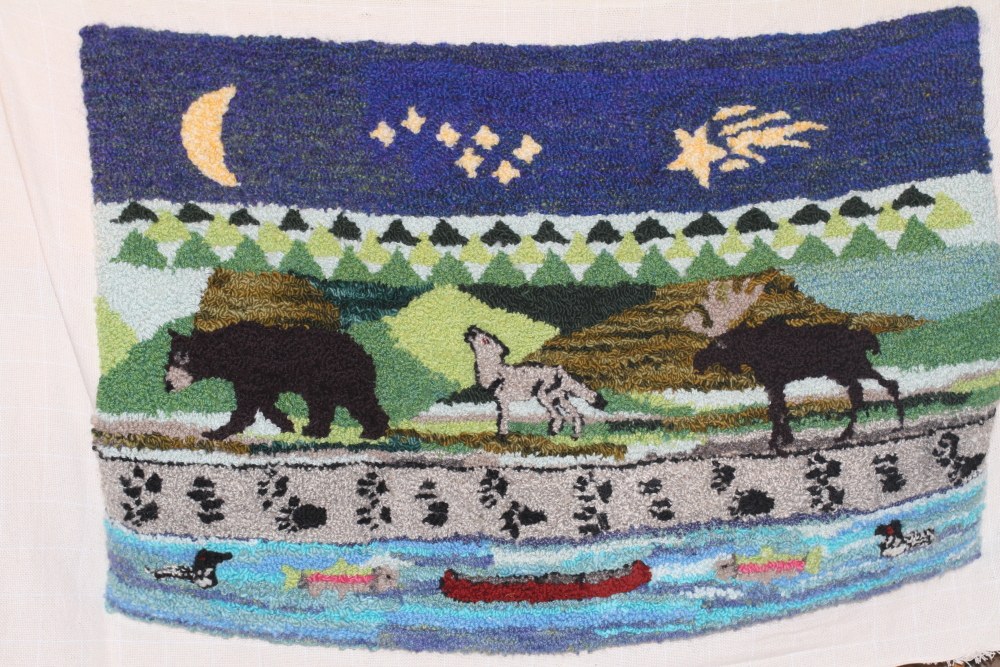
Front of Rug Before Finishing |
||
|
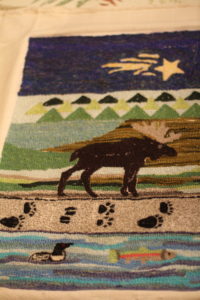
Moose Side, Back of Rug Before Finishing |
|
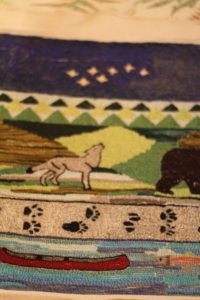
Center Front of Rug Before Finishing |
||
|
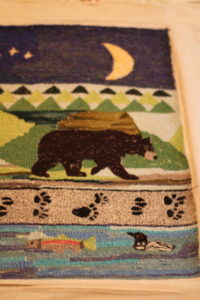
Bear Side of Rug Before Finishing |
||||
Even at this large scale details such as eyes and color markings on the loon did not show as well as I would have liked but the use of finer yarns than in other parts of the rug helped. The paw prints took a long time because of the many color changes needed and because I used finer yarn to get better detail. For the coyote I used a tweed (white and grey) yarn to better mimic the color variations in their natural coats.
Working the lines of color around the animal outlines is an area I will work to improve on future projects. I found it easier to get the shapes to hold true if I hooked the objects then worked the colors directly around them while holding back the yarn that formed the outside of the object from underneath. Horizontal lines of varying color produced a nice impression of moving water.
Info on the yarns used is given below. The picture links to the full description and creation details for the yarn where available.
|
Colorway: Starry Nights roving Weight: Sport (12 wpi) 2ply Handspun Fiber Content: 41% DWF Mohair, 59% Shetland wool Used For: Night sky
|
|
Colorway: Coreopsis Weight: Sport (12 wpi) Fiber Content: 50% DWF Mohair – 50% Shetland wool, hand painted (dyed) after mill spinning Used For: moon, stars, shooting star
|
|
Colorway: Aquatics Weight: Sport (12 wpi) Fiber Content: 50% DWF Mohair 50% Shetland wool Used For: water and forest
|
|
Colorway: Forest Dreams
Weight: Sport (12 wpi) Fiber Content: 50% mohair 50% shetland wool Used For: forest and ground
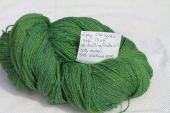 Forest Dreams |
|
Colorway: Green With Envy Weight: Sport (12 wpi) Fiber Content: 50% DWF Mohair 50% Shetland wool Used For: forest and ground 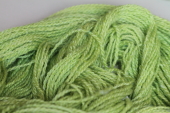 Green With Envy |
|
Colorway: Sky Blue Weight: Sport (12 wpi) Fiber Content: 50% DWF Mohair 50% Shetland wool Used For: water
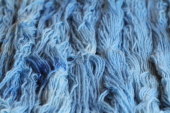 Sky Blue |
|
Colorway: Dark Grey Weight: DK 2Ply Millspun
Fiber Content: 68% DWF Mohair 32% Shetland, Blue Faced Leicester Wool Used For: edging
|
|
Colorway: White Weight: Sport (12 wpi) 2 Ply Millspun Fiber Content: 50% DWF Mohair 50% Shetland wool
Used For: loon
|
|
Colorway: Tan Weight:Worsted (9 wpi)
Fiber Contet: 50% DWF Mohair 50% Shetland wool
Used For: moose antlers, bear muzzle 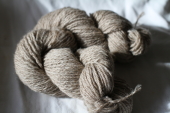 |
|
Weight: Sport (12 wpi) 2 Ply Millspun Colorway: White Grey Tweed Fiber Content: 68% DWF Mohair 32% Shetland Wool Used For: coyote
|
|
Colorway: Rosado Pink Used For: Rainbow Trout |
|
Colorway: Aztec Turquoise Used For: water |
|
Colorway:205 M Grassy Knoll Used For: forest and ground
|
|
Colorway:Forest Shadows Used For: forest and ground |
|
Colorway: Midnight Green Used For: forest and ground
|
|
Colorway: Turkish olive Used For: forest and ground |
|
Colorway: 114 Storm Used For: body of moose and bear |
|
Colorway:Burnt Sienna Used For: eyes |
|
Saco River Dyeworks (Maine) 6ply rug yarn
Weight: Worsted (9 wpi) Colorway: Black Used For: Paw prints, edging around animals, loon, canoe
|
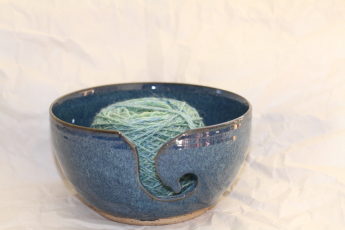
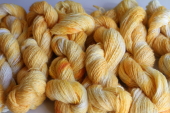
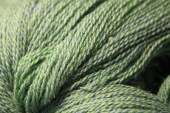
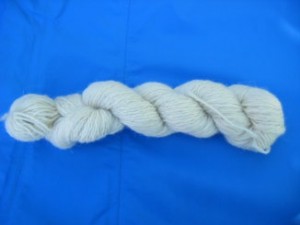
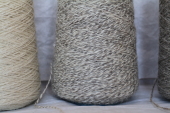
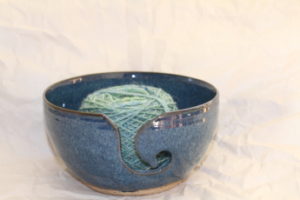
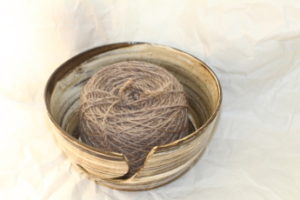
How about a hand made yarn bowl filled with a skein of luxury farm fresh yarn? Take a look at these beautiful combinations for inspiration…
For those who like colors….
and those who like natural colors….
Skeins can be wound into center pull balls for knitting or rug hooking convenience at no charge, just ask!
Wendy Kastan’s yarn bowls can be found on her website WendyClay.com She also makes beautiful buttons.
This chair seat is called “Cleaning Up” and features Sandy taking a bath. The design is based on my photos of him. I’m still experimenting with different colors and textures of yarn to find the best for picturing a cat. This time I used white and tan yarn and hooked the stripes explicitly.
I used my homespun and millspun hand dyed yarns, all of which are wool/ mohair blends (details). The backing is 100% cotton Monk’s Cloth. I used 13×13 epi cloth.
The wildflower patches are millspun yarns that were hand painted after the yarn was spun. The background fields were done with yarns that were kettle dyed before spinning.
|
|
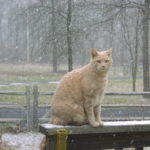
Sandy |
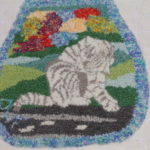
Front of Chair Seat |
Good contrast in the colors chosen and work with scissors after hooking to arrange the lines as hooked makes the details much clearer. Sandy’s face shows clearly on the back of the chair seat but still needs some work on the front side. Since the colors are so close in value, it is hard to see his face details unless the lighting is bright.
I liked the look here of generic blobs of color versus trying to hook detailed flowers or grasses.
Info on the yarns used is given below. The picture links to the full description and creation details for the yarn where available.
| Wildflower Patches in Background: | 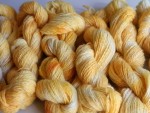 |
Coreopsis – hand dyed (after spinning) 2 ply millspun – 50/50 mohair/wool. This yarn is shades of yellow with sections of yellow and white designed to stripe. |
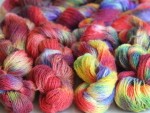 |
Mardi Gras – hand dyed (after spinning) 2 ply millspun – 50/50 mohair/wool. | |
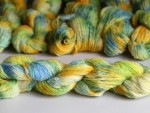 |
Wildflower Meadows- hand dyed (after spinning) 2 ply millspun – 50/50 mohair/wool. | |
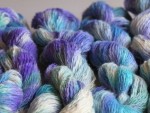 |
Iris – hand dyed (after spinning) 2 ply millspun – 50/50 mohair/wool. The same yarn was also used for the edging. | |
| Gravel Path: | 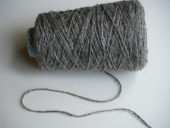 |
Natural Dark Grey and Light Grey DK 2Ply Millspun 68% Mohair 32% Shetland, Blue Faced Leicester Wool. |
 |
I used natural DWF white mohair/ wool yarn for the rocks along the gravel path (same yarn as for Sandy’s body). Sport White Millspun 2 Ply 59% Mohair 31% Shetland Wool. | |
| Background Fields: |  |
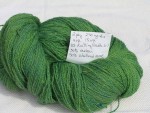
Pearl Green kettle hand dyed (before carding) millspun. |
 |
Forest Dreams hand dyed (before carding) millspun. Designed to look like a forest at a distance for use in weaving and rug hooking. | |
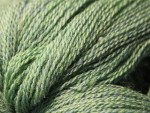 |
Aquatics hand dyed (before carding) millspun. Designed to look like pond water for use in weaving and rug hooking. | |
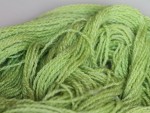 |
Green with Envy hand dyed (before carding) millspun. | |
| Sandy: | |
I used natural DWF white mohair/ wool yarn for most of Sandy’s body. Sport White Millspun 2 Ply 59% Mohair 31% Shetland Wool. |
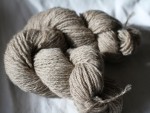 |
Tan DWF mohair/ wool millspun was used for Sandy’s stripes. 3Ply Millspun 50% Adult Mohair 50% Shetland Wool 2.5 Oz Skeins | |
| Edging: | 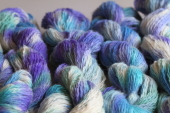 |
Iris – Hand Dyed (After Spinning) Millspun. The same yarn was also used for wildflower patches in the background. |
| Lettering: | A small amount of hand spun, turkey baster hand dyed roving (white with small amounts of orange and blue) was used.
A ball of roving was soaked in water for an hour, then injected with colors using a turkey baster, heated to boiling for 30 minutes to set the colors, then washed before hand spinning. |
|
This chair seat is called “Rori Shows Her Belly” and shows Rori on a rug in a typical “scratch my belly” pose. The design is based on one of my photos of her.
I used my homespun and millspun hand dyed yarns, all of which are wool/ mohair blends (details). The backing is 100% cotton 13×13 epi Monk’s Cloth.
The rug Rori is laying on is made of 4 different green millspun yarns.
|
|
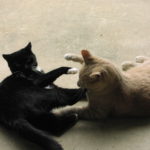
Rori and Sandy |
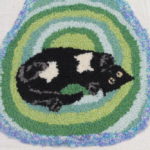
Front of Chair Seat |
Details came out better with the more enlarged size of the cat. Also, contrast is key to making small details visible. The 13×13 epi Monk’s cloth worked much better than the looser version designed for embroidery.
Info on the yarns used is given below. The picture links to the full description and creation details for the yarn where available.
| Rug: | |
Pearl Green kettle hand dyed (before carding) millspun. |
|
Forest Dreams hand dyed (before carding) millspun. Designed to look like a forest at a distance for use in weaving and rug hooking. | |
|
Aquatics hand dyed (before carding) millspun. Designed to look like pond water for use in weaving and rug hooking. | |
|
Green with Envy hand dyed (before carding) millspun. | |
| Rori: |  |
Since natural black isn’t readily available in mohair (black mohair is dark grey at best) I bought a skein of Brown Sheep’s Lamb’s Pride Worsted Onyx. It’s a USA made 15% mohair/ 85% wool single ply yarn. |
|
I also used mill spun natural DWF white mohair/ wool yarn for Rori’s tummy patches. Sport White Millspun 2 Ply 59% Mohair 31% Shetland Wool. | |
| /td> |
Eyes: Coreopsis hand dyed (after spinning) millspun. This yarn is shades of yellow with sections of yellow and white designed to stripe. I used a small amount from a section of yellows. | |
|
A small amount of Natural Dark Grey DK 2Ply Millspun 68% Mohair 32% Shetland, Blue Faced Leicester Wool was used to create depth around the chin line and between the toes. | |
| Edging: | |
Iris – Hand Dyed (After Spinning) Millspun |
| Lettering: | Ooops! Forgot it on this one so embroidered on the back. | |
Had a great time at the North Jersey Fiber Arts Festival in Ridgewood this week. I met so many interesting and kind people (vendors and attendees!). Here’s a pic of my setup thanks to Wendy “Clay” who does gorgeous clay buttons and yarn bowls!
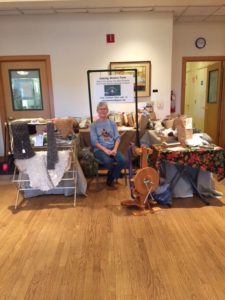
Dancing Waters Farm at NJFAF 2016 Ridgewood, NJ
I got to show quite a few youngsters (and their parents) how to make yarn starting from a sheep/ goat haircut. Lots of felters and a few hand spinners attended. Weather was gloomy outside but we were pretty lively inside the building!
I’ll be at the NJ Fiber Arts Festival in Ridgewood, NJ Thursday 6-9 Sep. 29 and Friday and Saturday 9-5 Sep. 30 – Oct. 1. See their website for directions. If you want me to bring anything specific, just let me know and I hope to see you there!
 Back of Chair Seat
 Back of Chair Seat